Losing revenue because of data management issues. Enter the semantic layer

In recent years, APIs have become increasingly popular for exchanging data between different applications.
However, with the growing number of APIs comes the challenge of synchronizing data between different systems efficiently and effectively.
The following challenges sound familiar?
-
You have heard about the 360° customer promise for years but have never seen it.
-
You face a bottleneck each time you want to do a reporting involving multiple sources, and you end up doing import/export on your google sheet? Or need to wait months to get your reporting?
-
You leverage data on your scope to power marketing or sales campaigns or build revenue operations processes, but you deal with duplicated records and missing information.
Don’t worry, you’re not alone!

If your data is low quality all use cases will be built upon an untrustworthy foundation.
Enter the semantic layer, the solution created by the data team to that problem, the bridge between engineer and business folks.
The semantic layer sits between your data sources and your business intelligence tools. It acts as a bridge, connecting data from various sources (customer data, sales data, and marketing data for instance).
This provide a more comprehensive view of customer behavior and help revenue teams make data-driven decisions., normalizing it, and presenting it in a uniform, business-friendly way. It acts as the single source of trust for anyone in your company.
The semantic layer is today what APIs were in 2010
Before the emergence of the semantic Layer, data integration was a complicated and time-consuming process.
To create a unified view of data, developers had to manually map data from one source to another and make API calls to make it sing together.
This labor-intensive method required extensive coding and often resulted in errors and slow synchronization speeds.
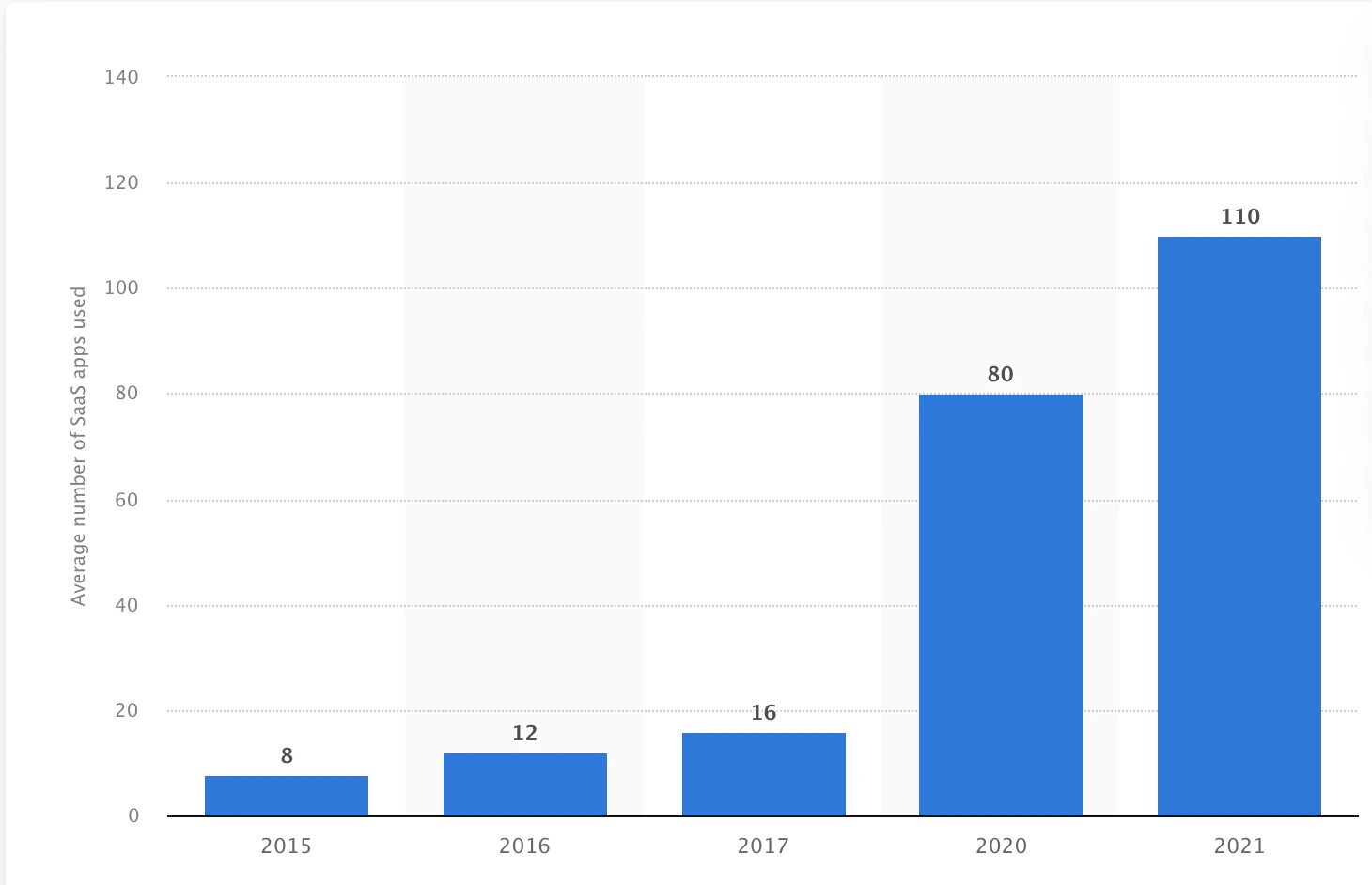
Companies are experiencing pains from the increased channel, tools, and ops investments they have made in recent years that have only exposed system complexity, fragility, and lack of integration. In an era where the average company uses over 100+ SaaS applications, APIs have become increasingly difficult to manage and maintain, leading to data integration challenges.
Companies have shifted to adopt the modern data stack as the core infrastructure to support the ever-growing demand for data. The MDS is a collection of cloud-native tools to move and manage data efficiently. It includes data pipeline tools we call “ETL” like Fivetran or Airbyte, Data storing platforms like Snowflake or BigQuery, transformation tools like DBT, and finally, software of visualization that sits on top, like Looker or Metabase.
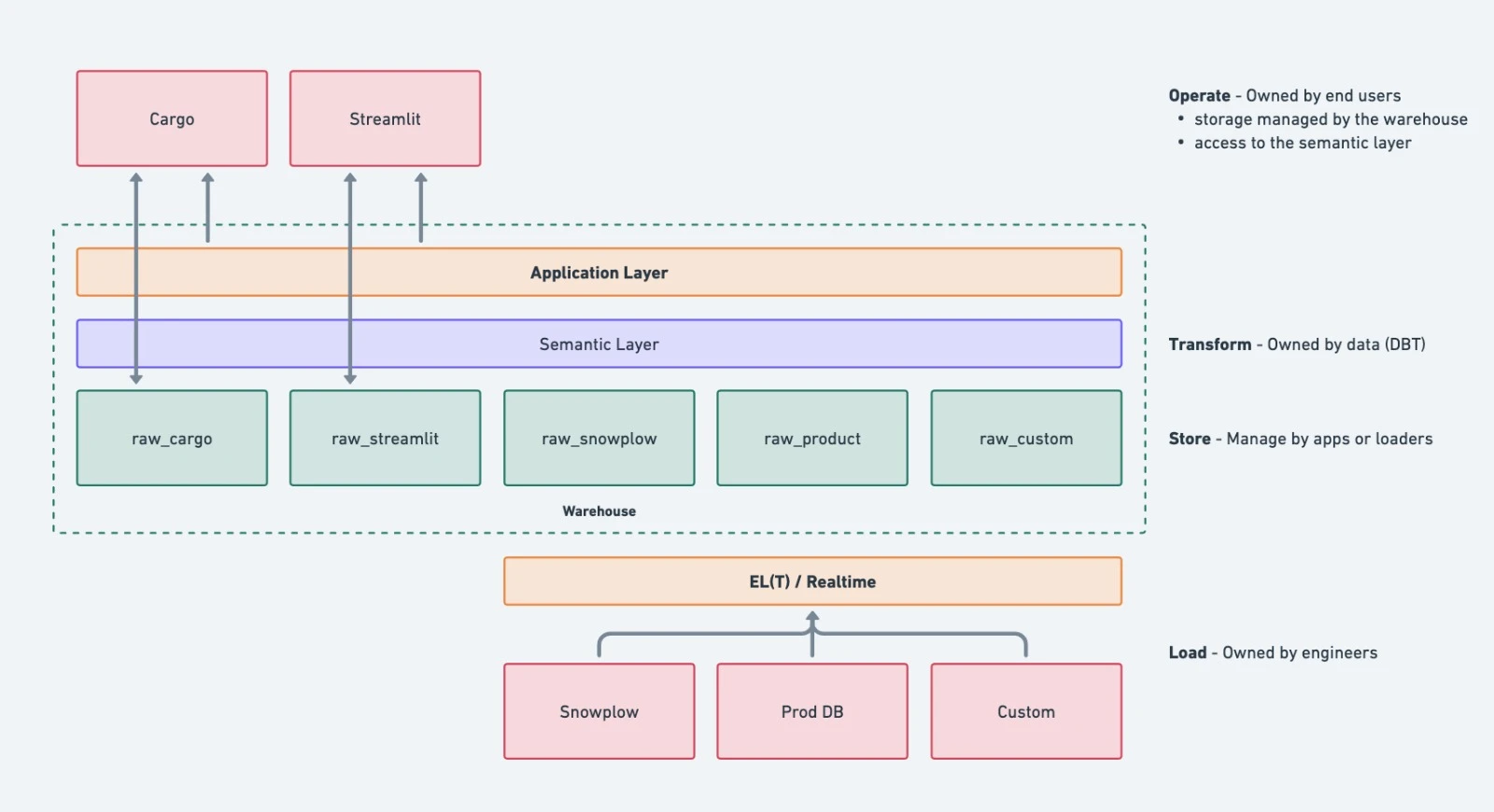
And in this ecosystem, the semantic layer is designed to reduce the time and effort needed for data integration, and democratize data access to non technical users.
According to a survey by Mulesoft, data integration is one of the top challenges for companies as they continue to adopt cloud and SaaS solutions, with over 70% of organizations having data integration challenges.
Instead, companies that implemented semantic layers experienced a reduction in data integration time by 50%. This helps reduce costs while eliminating errors in the manual data mapping process.
It also provides a layer of security and privacy, as it only passes through necessary and relevant data for the task at hand, reducing the risk of unauthorized access and protecting sensitive information.
The implementation of Semantic Layer requires careful planning and execution. You must choose the right data sources, determine the appropriate data structure, and ensure that your data is properly integrated and normalized. This should be lead by your data engineering team.
What is the semantic layer impact for revenue teams?
According to Naomi Ionita from Menlo Ventures, the main benefits of having a modern growth stack is about 3 schemes:
-
Data
-
Workflows
-
Impact
Let’s dive in.
Data #
Modern companies are powered by this smart automation and integration you get as a result. It created a need for data access and operability. This has been the main reason of the emergence of reverse ETL.
Businesses need to go beyond using the modern data stack for BI. Especially when we know this dirty secret: Up to 73 Percent of Company Data Goes Unused for Analytics.
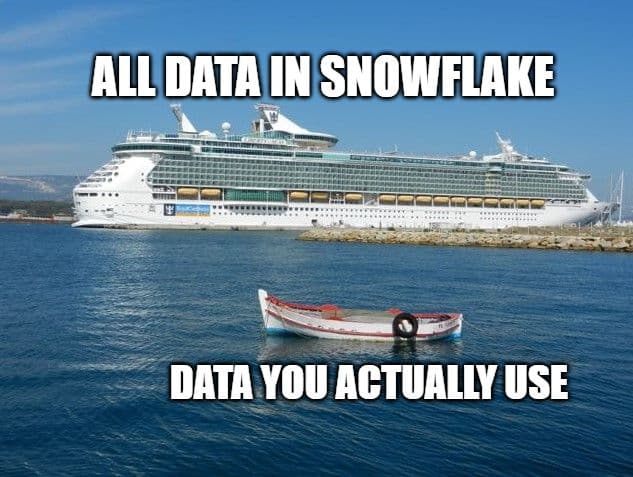
No need to mention that this ratio is even worst for data operationalization.
Companies tend to forget that engineers did all the hard work that could be leveraged to orchestrate sales or marketing campaigns and drive more revenue.
Workflows #
Workflows are about the enablement of people and processes. Rather than people sitting in their departmental siloes, modern growth companies build bridges between them. By unlocking data access, business folks can self-serve and be more autonomous in their scope due to no more technical overhead.
The semantic layer plays a significant role in bridging the data literacy gap. Ease of integration and use is critical to drive revenue growth, especially since the biggest data consumers are business folks! It simply allows more people to contribute to data activation and analysis.

Sounds too good to be true? ✨
I know, still, this is the role of a semantic layer.
That’s where Cargo comes in:
We are a revenue orchestration platform that enables companies to automate their customer data operations. It provides a simple layer that sits on top of where your data lives, enabling companies to improve customer engagement, optimize sales pipeline, reduce churn, and make data-driven processes.
Overall, by providing a unified view of data and a common language for data communication, the semantic layer makes it easier for companies to effectively leverage their data, drive revenue growth, and stay ahead in a rapidly evolving technology landscape.